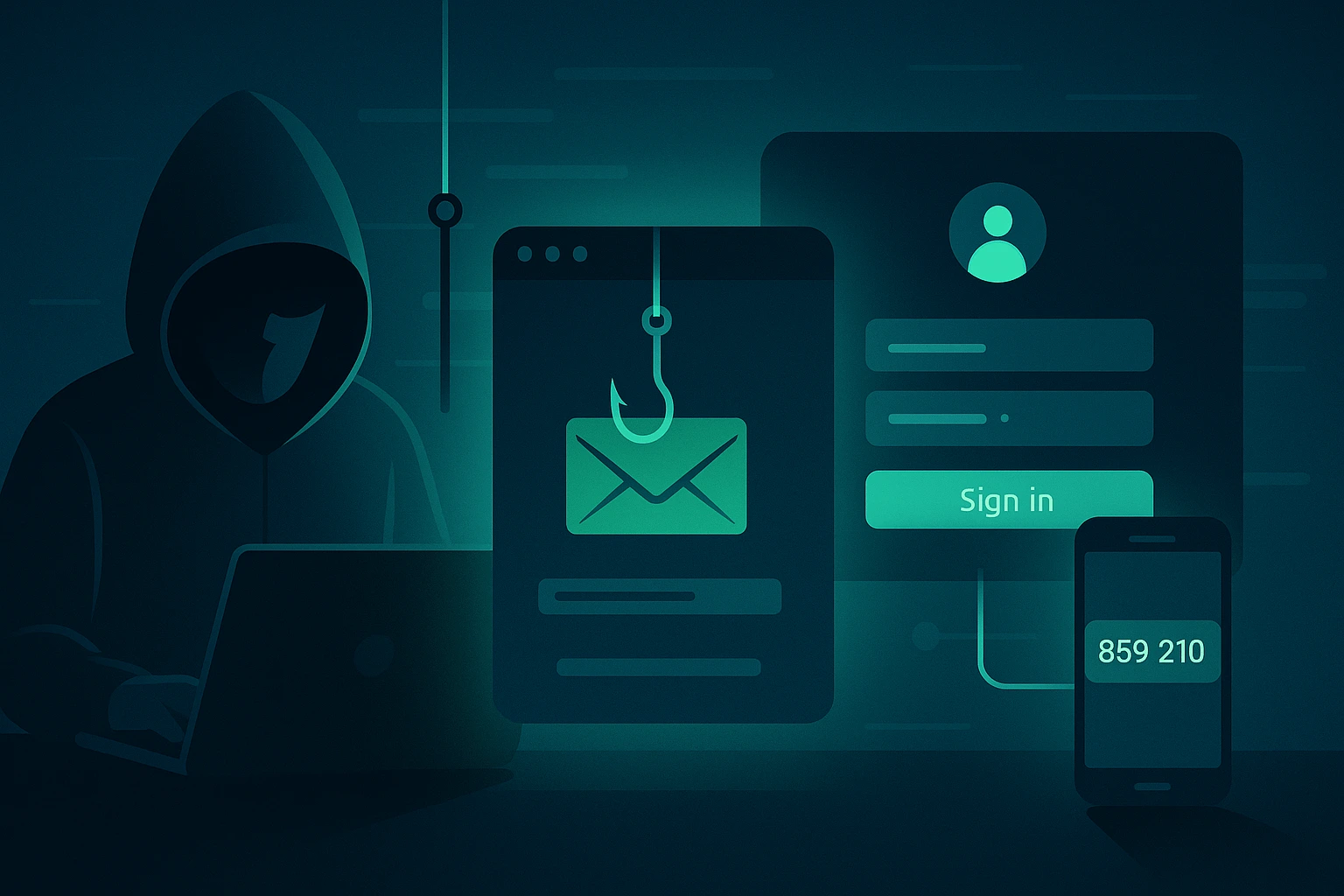
COLDCARD Phishing Attack Uses Fake Audit to Hijack Computers
Bitcoin hardware wallet owners face a fresh threat, and it arrives dressed as a safety measure. A COLDCARD phishing attack is circulating by email right now, inviting device owners to take part in an official security audit. No such audit exists. Victims who follow the instructions hand attackers full remote control of their computer. The timing is deliberate. Attackers recently

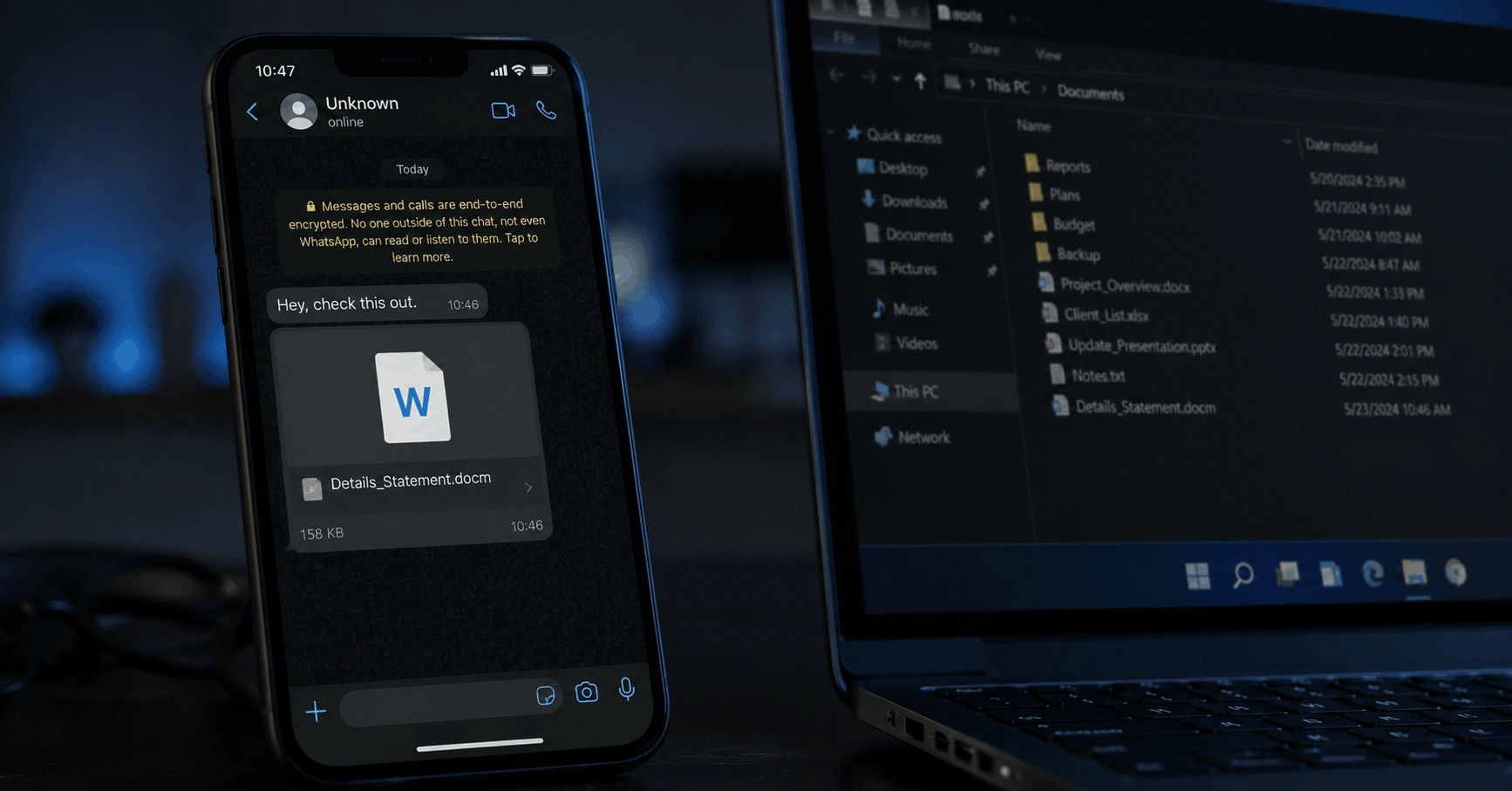
WhatsApp Phishing Attack Spreads Via Fake Docs
A WhatsApp phishing attack is currently spreading across at least 11 countries, and it is more convincing than most. The messages arrive from people you know. The attachments look like invoices, financial reports, or account notices. And if you open one on a Windows PC, attackers can quietly take full control of your machine. Cybersecurity researchers have identified an active
Snapchat Account Hacking Left Hundreds of Accounts Exposed
Snapchat account hacking often succeeds not because of technical flaws, but because attackers understand how to manipulate people. A recent federal case in the United States illustrates this reality clearly, showing how a single individual accessed hundreds of private accounts by exploiting trust rather than exploiting software. The case highlights a growing pattern in cybercrime, where attackers bypass security protections

Cloud Storage Payment Scam Floods Inboxes With Fake Renewals
Inbox phishing has entered a new phase as a widespread cloud storage payment scam targets users with urgent fake renewal notices. The messages claim storage plans have expired or payments failed, warning that files could soon be deleted. By exploiting fear around lost photos, backups, and documents, attackers pressure recipients into acting quickly and without verification. The campaign stands out

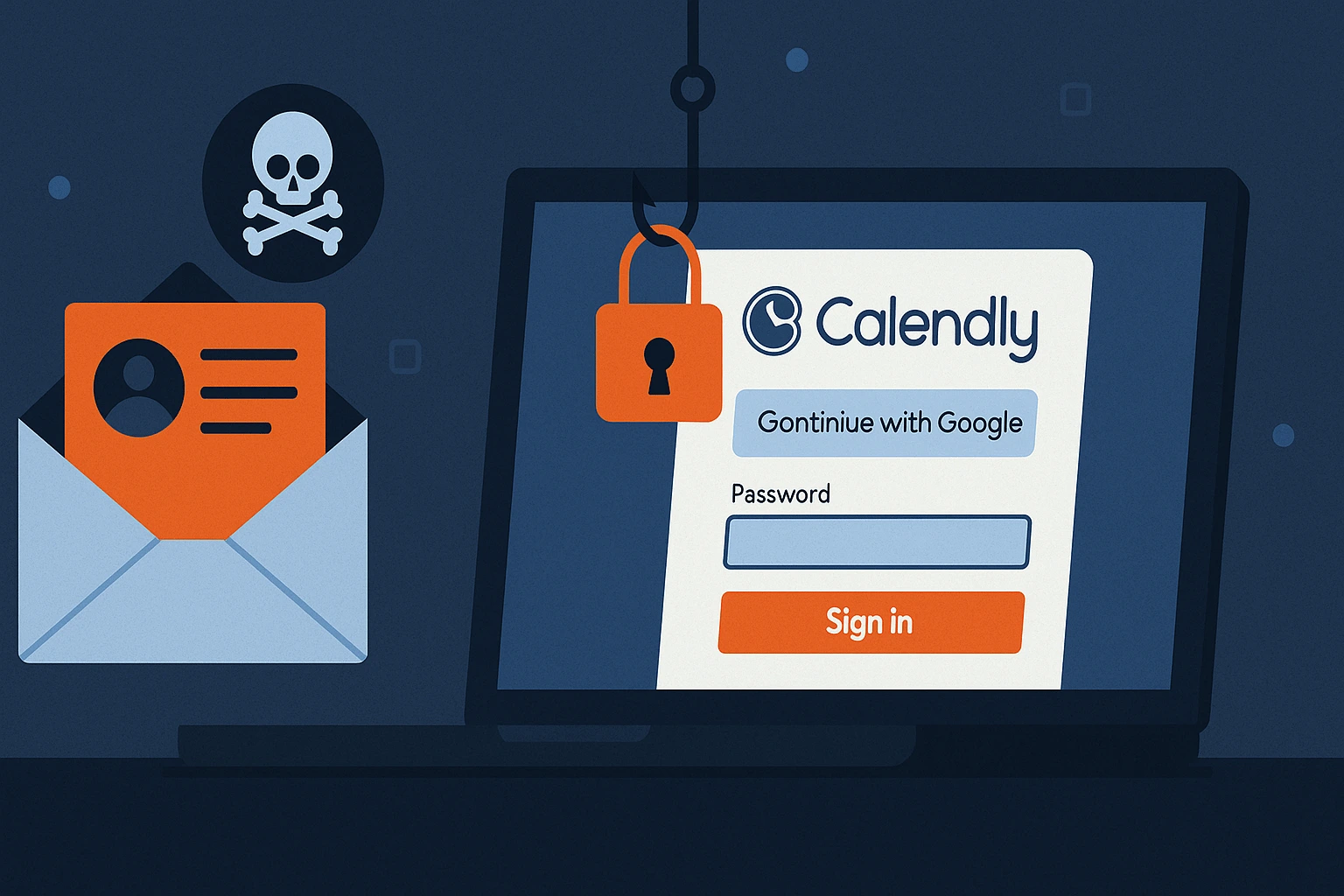
Fake Calendly Invites Target Ad Managers in New AiTM Campaign
Attackers abuse fake Calendly invites in a new phishing wave that aims at agencies, advertisers, and in-house marketing teams. The campaign impersonates major global brands and uses advanced Attacker-in-the-Middle techniques to capture credentials and session tokens. These tactics enable rapid takeovers of Google Workspace and Facebook Business accounts connected to high-value advertising platforms. Researchers note that the operation continues to
Scattered Lapsus Hunters Target Tech With 40 Malicious Domains
Security researchers uncovered a large phishing operation linked to Scattered Lapsus Hunters, a threat group that registered more than 40 fake domains. These lookalike sites imitate major tech companies and aim to harvest credentials from employees and consumers. The discovery highlights the growing sophistication behind phishing campaigns that exploit brand trust and corporate identity. How the Campaign Works Researchers from

LinkedIn Phishing Campaign Targets Finance Executives
A new LinkedIn phishing campaign is targeting finance executives with fake invitations to join an exclusive board. The attack uses professional pretexts, trusted cloud platforms, and advanced phishing methods to steal login credentials and bypass multi-factor authentication. How this LinkedIn Phishing Campaign Works The campaign begins with a direct message on LinkedIn inviting the target to join the “Executive Board”

RaccoonO365 Phishing Service Disrupted by Microsoft and Cloudflare
Microsoft and Cloudflare have joined forces to dismantle the RaccoonO365 phishing service, one of the most widespread phishing-as-a-service operations uncovered to date. The joint takedown targeted the infrastructure and domains used by cybercriminals to conduct massive credential theft campaigns against Microsoft 365 users worldwide. This disruption represents more than just the removal of malicious domains. It highlights the ongoing battle
VoidProxy Phishing Targets Microsoft 365 & Google Accounts
The VoidProxy phishing attack is an emerging cyber threat targeting cloud accounts on Microsoft 365 and Google platforms. This attack service enables attackers to bypass multi-factor authentication (MFA) and steal sensitive credentials. VoidProxy is designed for simplicity, allowing low-skill cybercriminals to deploy phishing campaigns with minimal effort. As organizations increasingly rely on cloud services, understanding this threat and implementing preventive
Salty2FA Phishing Kit Targets Enterprises With MFA Bypass
The Salty2FA phishing kit has quickly gained attention as one of the most dangerous phishing tools of 2025. Unlike older phishing kits that only capture usernames and passwords, this service also bypasses multiple forms of multi-factor authentication (MFA). That ability makes stolen credentials far more valuable and leaves enterprises exposed to full-scale account takeovers. What Makes Salty2FA Different? Salty2FA is