Hackers Hiding Malware in JPEG in a New Wave of Attacks
In today’s cybersecurity landscape, even the most ordinary-looking files can be vehicles for sophisticated attacks. Recent findings have exposed a new method used by cybercriminals - hackers hiding malware in JPEG files to bypass security systems. This technique, known as steganography, allows attackers to hide harmful scripts inside files that appear completely harmless, turning images into a serious cybersecurity threat.

Fake AI Apps: Cybercriminals Trick Users and Spread Malware
As AI tools skyrocket in popularity, they’re attracting more than just curious users and developers. Cybercriminals are seizing the moment, creating fake AI apps that promise powerful capabilities. They instead deliver something far more sinister: malware. Disguised as legitimate AI-powered platforms, these deceptive tools are being promoted through social media, especially Facebook, and are tricking thousands of users into downloading

Gemini Nano Will Combat Online Scams, Google Promises
As online scams grow more sophisticated, Google is stepping up its game by embedding artificial intelligence directly into users' devices. The tech giant is now leveraging its Gemini Nano AI model. It's detects and blocks scams in real-time, all while keeping user data private by processing it locally. This marks a major shift in how tech companies are approaching cybersecurity,

Operation PowerOFF: Global Crackdown on DDoS-for-Hire
Operation PowerOFF, a coordinated campaign led by U.S. and European authorities, has taken down nine domains offering DDoS-for-hire services. This marks a significant step in curbing access to tools that allow virtually anyone to launch disruptive cyberattacks. DDoS-for-Hire: Cybercrime for Rent Distributed denial-of-service (DDoS) attacks are a persistent threat to online services. Consistenly flooding websites and networks with traffic to

How to Choose an Antivirus And Not Go Crazy in the Process
You wonder how to choose and antivirus and stay protected? Let’s face it - it can feel like trying to pick the right coffee at a shop with 200 options. Every product promises top-tier protection, lightning speed, and bonus features you didn’t even know you needed. So how do you actually decide? Let’s break it down step by step: no

LOSTKEYS Malware Linked to Cold River, Google Uncovers
In an alarming development for global cybersecurity, Google has identified a new malware strain dubbed LOSTKEYS. The malware is linked to the notorious Russian-based hacking group Cold River. This is the latest tool in a series of cyberweapons reportedly used for espionage against political, military, and research targets. What Is LOSTKEYS Malware? According to Google Threat Intelligence Group (GTIG), LOSTKEYS

Venom Spider Phishing Attack Targets HR Departments
In the evolving world of cybercrime, threat actors are continuously seeking new entry points into organizations. A new spear-phishing campaign has recently drawn attention for its clever targeting of an often-overlooked department: human resources. This phishing attack, orchestrated by the financially motivated group known as Venom Spider, leads to stolen credentials, remote access and more. A Deceptive Approach Venom Spider

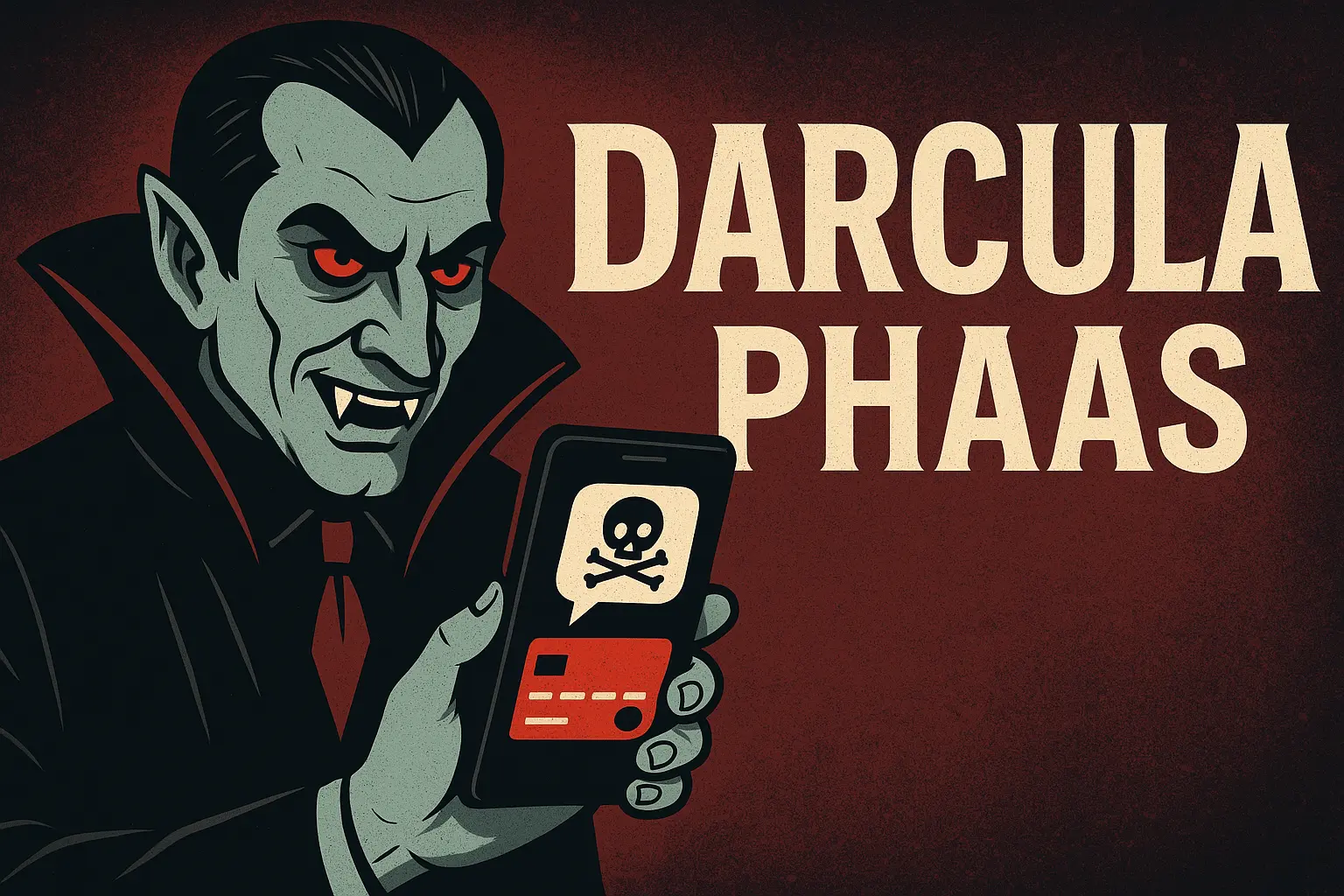
Darcula PhaaS Is Behind Nearly 884,000 Stolen Credit Cards
Phishing attacks are becoming more advanced and more accessible to cybercriminals than ever before. One of the most alarming examples to date is Darcula, a Phishing-as-a-Service (PhaaS) platform that has enabled criminals to steal nearly 884,000 credit card numbers in a sophisticated, widespread campaign. As the phishing landscape evolves, Darcula shows just how professionalized and industrialized cybercrime has become. What
AI-Generated Passwords Are not Safe Enough, Kaspersky Warns
In an era where artificial intelligence (AI) is transforming how we live and work, cybersecurity experts are raising the alarm about a growing concern: login credentials created by AI might not be as secure as they seem. A new warning from Kaspersky, a global leader in cybersecurity, suggests that relying on AI-generated passwords could expose you to greater risks than
Luna Moth Cybercriminals Impersonate IT Support to Steal Data
In a rapidly evolving threat landscape, a cybercrime group known as Luna Moth - also referred to as the Silent Ransom Group (SRG) - has been targeting organizations in the United States using a cunning form of social engineering. Their latest campaign involves impersonating internal IT support teams. They manage to trick employees into granting remote access to corporate systems,