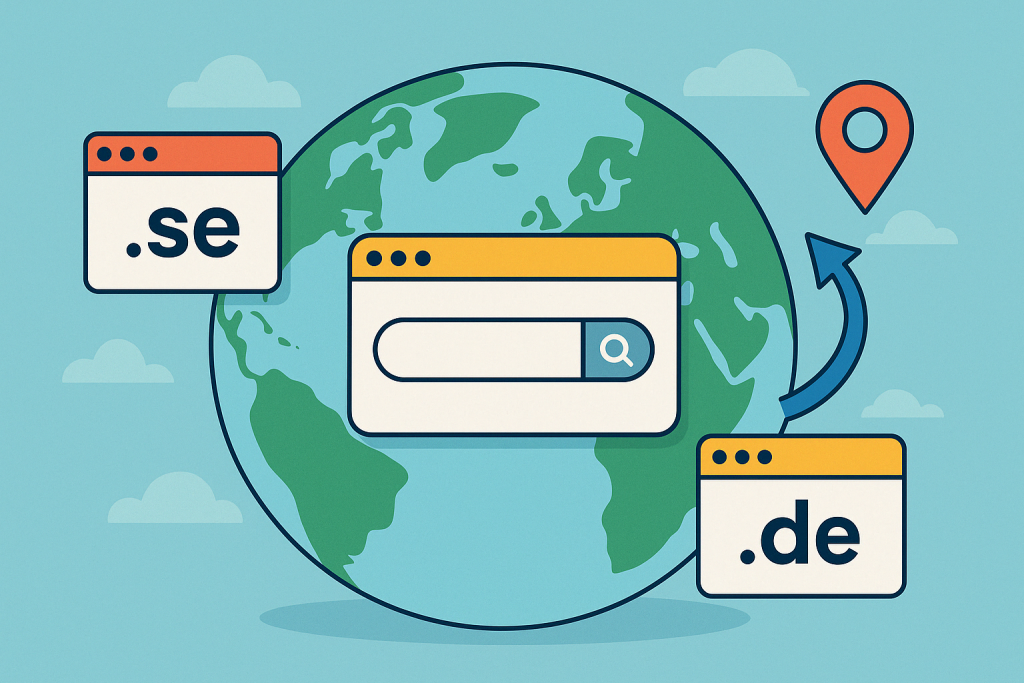
Google has announced a significant change to its search domain structure. Over the coming months, users accessing country-specific Google domains (ccTLDs) like google.se or google.de will be redirected to the global domain, google.com. This shift aims to provide a more streamlined and consistent search experience worldwide.
Understanding the Change
Since 2017, Google has been delivering localized search results based on users’ locations, regardless of the domain used. This means that whether a user accessed google.com or a country-specific domain, the search results were tailored to their location. With this consistency in place, maintaining separate country-level domains has become redundant. As a result, Google is consolidating its search services under the global domain.
Implications for Users
For most users, this change will be seamless. The primary difference will be the appearance of google.com in the browser’s address bar instead of a country-specific domain. Some users may need to reconfigure their search preferences during the transition. However, the core functionality of Google Search and compliance with local laws will remain unaffected.
SEO Considerations
Historically, country code top-level domains (ccTLDs) like .se or .de have been used to signal a website’s relevance to a specific country, potentially boosting local search rankings. However, Google’s recent statements suggest a shift in this approach. The company emphasizes that user intent and content relevance are becoming more critical factors in search rankings than domain extensions. This change reflects the evolving use of ccTLDs, which are increasingly employed for branding purposes rather than geographic targeting.
Consequences for Website Owners
Website owners who have relied on ccTLDs to enhance their visibility in local search results may need to reassess their SEO strategies. With the diminishing emphasis on domain-based geographic signals, it’s essential to focus on other aspects of localization. This includes creating high-quality, locally relevant content and implementing proper hreflang tags to indicate language and regional targeting. Additionally, businesses might consider using generic top-level domains (gTLDs) with subdirectories or subdomains to organize content for different regions.
Moving Forward
As Google’s search algorithms continue to evolve, the importance of delivering relevant, high-quality content tailored to users’ needs becomes paramount. While the use of ccTLDs may no longer provide the same SEO advantages, focusing on content localization, user experience, and technical SEO best practices will be crucial for maintaining and improving search visibility in different markets.
