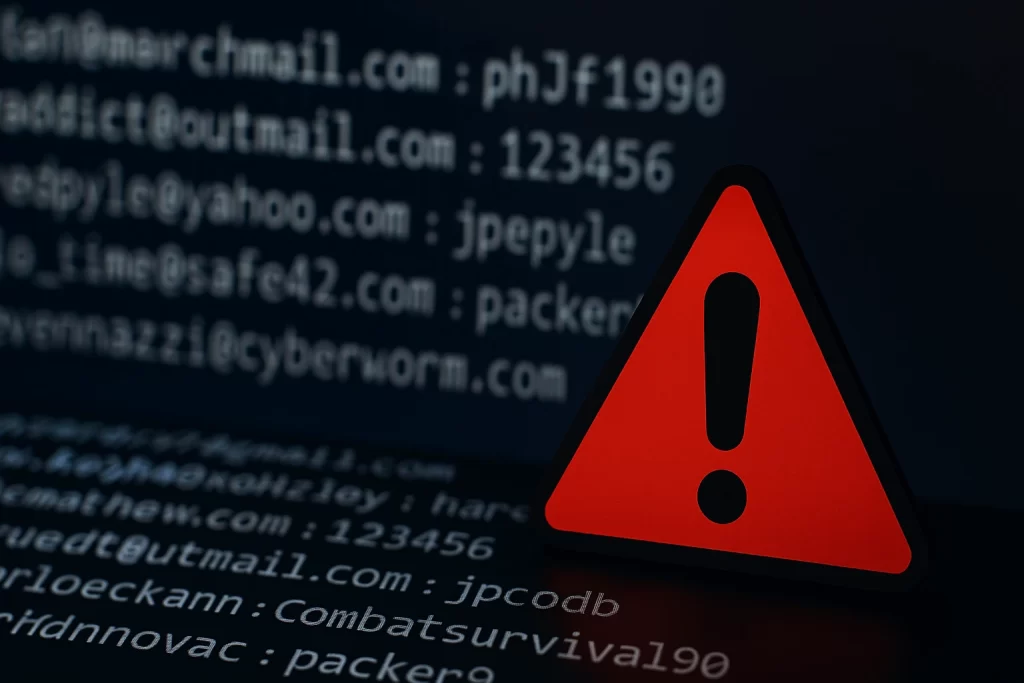
In the past week, alarming headlines have circulated across social media and tech news platforms: “16 billion credentials leak in a massive data breach!” The claim quickly sparked fear and speculation, suggesting one of the largest cybersecurity incidents in history.
But there’s just one problem: it’s not technically true.
Let’s break down what actually happened, why this misleading story went viral, and what you still need to know about your digital security.
No, It’s Not a New Data Breach
The origin of the confusion lies in a misrepresented report. A security company analyzed a massive compilation of login credentials and identified more than 16 billion email-password combinations. Some articles interpreted this as a brand-new breach, but the data in question wasn’t fresh.
Instead, this colossal archive is a database assembled from previous breaches. It collects and merges credentials stolen in older attacks on platforms like LinkedIn, Twitter (now X), MySpace, Adobe, Canva, and many others. The oldest entries go back more than a decade.
In other words: the data is real, but it’s not new.
How the Story Got Twisted
The claim of 16 billion leaked credentials is technically correct in terms of volume, but the key context was missing in many reports. What began as an analysis of an aggregated dataset quickly spiraled into exaggerated claims of a “new hack.”
This isn’t the first time such misunderstandings have occurred. Aggregated leak collections often resurface online and get mistaken for new threats, especially when journalists or influencers don’t verify the origin of the data.
Why You Should Still Take It Seriously
Even if the 16 billion credentials aren’t from a new breach, that doesn’t mean the risk is over. Many of these leaked combinations are still active, and people continue to use the same email and password across multiple accounts.
Here’s what you should do:
- Check if your credentials have been exposed using tools like Have I Been Pwned
- Change passwords that are reused or haven’t been updated in years
- Enable two-factor authentication (2FA) wherever possible
- Avoid password reuse across accounts
Final Thoughts
The 16 billion credentials leak sounds terrifying, and it should definitely raise awareness. But it’s not evidence of a new breach, nor a sign of a fresh attack wave. It, however, shows us how much data is still floating around from years of security incidents.
While the headline may have been misleading, the lesson remains the same: take your digital hygiene seriously, because cybercriminals certainly are.
