Lumma Infostealer Returns After Global Takedown
The Lumma infostealer malware has made a swift comeback after a coordinated takedown effort by global law enforcement agencies in May 2025. Despite the seizure of over 2,300 domains and major disruption to its infrastructure, the malware-as-a-service (MaaS) platform has bounced back with new distribution tactics and restored capabilities. Major Disruption, Minor Setback Lumma, also known as LummaC2, was targeted

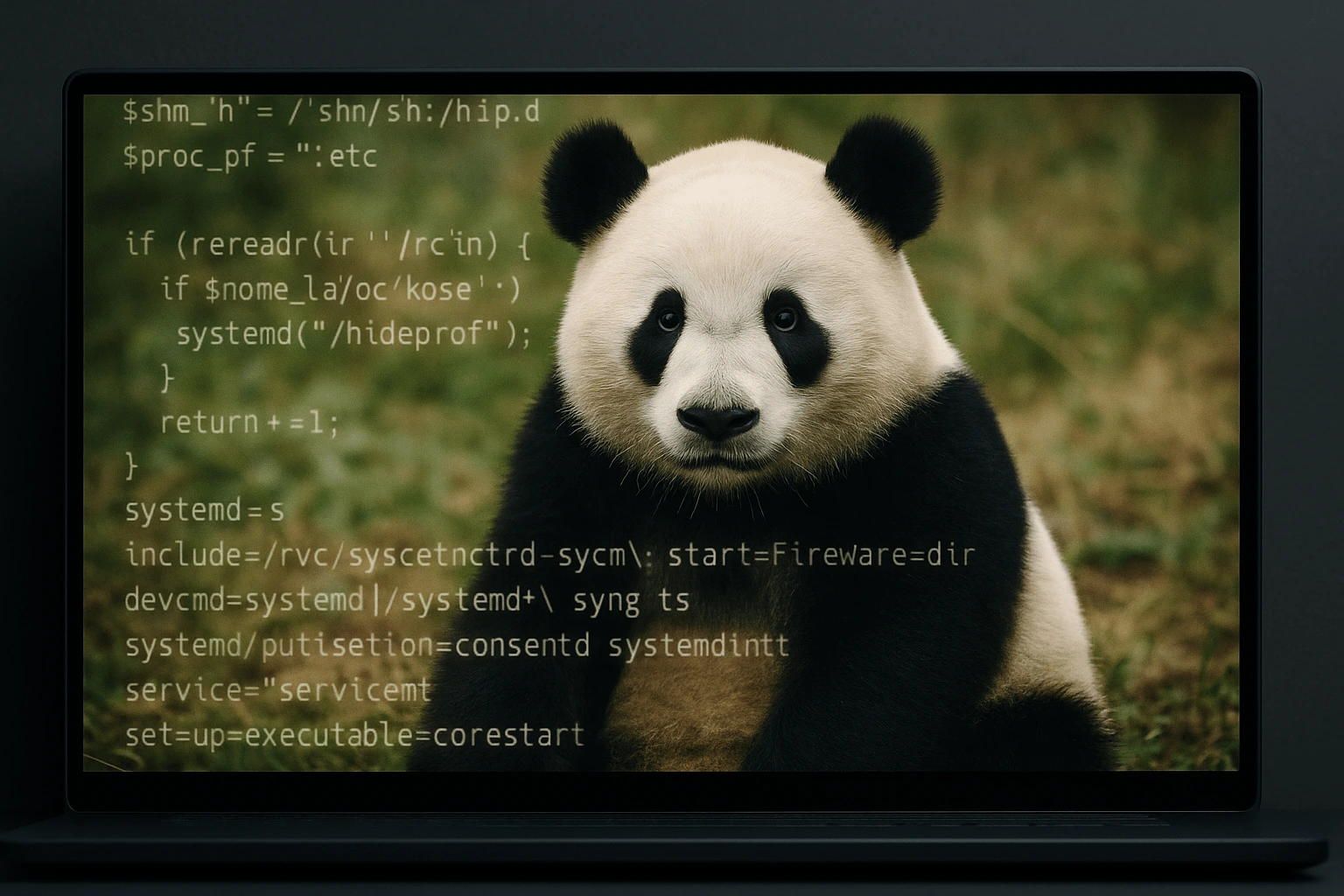
Koske Linux Malware Hides in Panda Images to Evade Detection
A new Linux malware named Koske is using panda-themed image files to hide its malicious payloads. The threat actors behind it are leveraging polyglot files, legitimate JPEGs with hidden executable code. This stealthy malware targets poorly secured JupyterLab servers to gain access and then installs rootkits and cryptocurrency miners. Security researchers at Aqua Security discovered the campaign and say Koske
ChatGPT Agent for Plus Users Now Rolling Out Globally
OpenAI has officially started rolling out the powerful new ChatGPT Agent feature to all ChatGPT Plus subscribers, marking a major expansion of the toolset once limited to Pro users. With the $20/month plan now offering autonomous task execution, users can hand off complex actions, from data gathering to file creation, to the AI itself. What Is ChatGPT Agent? ChatGPT Agent

Steam Malware Attack Targets Chemia Early Access Game
Hackers have compromised the early access Steam game Chemia, injecting it with info-stealing malware and endangering unsuspecting players. The attack marks the third major Steam-related malware campaign in 2025, raising urgent concerns about the platform’s ability to vet developer uploads. Malware Hidden in Game Files The threat actor known as EncryptHub, also tracked as Larva‑208, tampered with the official Chemia

Endgame Gear Malware Tool Infects Users Through Official Site
The official website of gaming mouse maker Endgame Gear recently hosted a malware-infected configuration tool, and it stayed live for over two weeks before anyone noticed. From June 26 to July 9, users downloading the setup tool for the OP1w 4K V2 mouse were unknowingly installing the XRed remote access trojan (RAT). The compromised version was distributed through Endgame Gear’s

DeepSeek Ban in Germany: Privacy Watchdog Flags App for Illegal Data Transfers
Germany is taking decisive action against Chinese AI chatbot DeepSeek, calling for its ban from app stores due to serious privacy concerns. Authorities accuse the app of illegally transferring user data to China. Thus, violating both EU privacy laws and fundamental security expectations. German Regulator Demands App Removal On June 27, 2025, Berlin’s Data Protection Commissioner Meike Kamp officially requested

Snake Keylogger Evades Windows Defender in Targeted Turkish Espionage Campaign
A new variant of the infamous Snake Keylogger is making headlines after it successfully bypassed Windows Defender in a focused cyber-espionage campaign targeting Turkey’s defense and aerospace sectors. The attack, which leverages stealthy in-memory loaders and scheduled tasks, appears to specifically target firms like TUSAŞ (Turkish Aerospace Industries). Disguised as a legitimate Excel quote request, the executable lures victims into

Konfety Malware Uses Malformed APKs to Evade Android Detection
The Android threat landscape continues to evolve, and cybercriminals are now exploiting even the ZIP format’s underbelly. A newly discovered malware variant named Konfety is setting a dangerous precedent by manipulating how Android Package (APK) files are structured. This manipulation allows it to sidestep traditional analysis and detection methods used by antivirus programs, app stores, and researchers. What makes Konfety

LameHug Malware Uses LLM to Automate Windows Data Theft
LameHug, a newly discovered Python-based malware, is raising alarms in the cybersecurity world by becoming the first known malicious tool to leverage a large language model (LLM) in real time. This cutting-edge threat utilizes Hugging Face’s Qwen 2.5‑Coder‑32B‑Instruct model to dynamically craft Windows commands used for data theft and system reconnaissance, making detection and mitigation significantly more challenging. A New

Google Sues Badbox 2.0 Operators Behind 10 Million Device Botnet
Google sues Badbox 2.0 operators in a sweeping legal move to disrupt one of the largest Android botnets ever recorded. The tech giant’s lawsuit targets anonymous actors responsible for distributing malware through uncertified Android devices, primarily cheap TV streaming boxes. Over 10 million devices worldwide have been compromised. Filed in the Southern District of New York, the case aims to