EggStreme Fileless Malware Targets Philippine Military
A newly identified threat named EggStreme fileless malware has been deployed by a suspected Chinese advanced persistent threat (APT) group. Researchers found the campaign targeting Philippine military systems, underlining the region’s rising geopolitical cyber risks. EggStreme stands out for its stealth. Instead of leaving files on disk, it executes in memory, making detection extremely difficult. This fileless design highlights the

AsyncRAT Exploits ConnectWise in New Malware Campaign
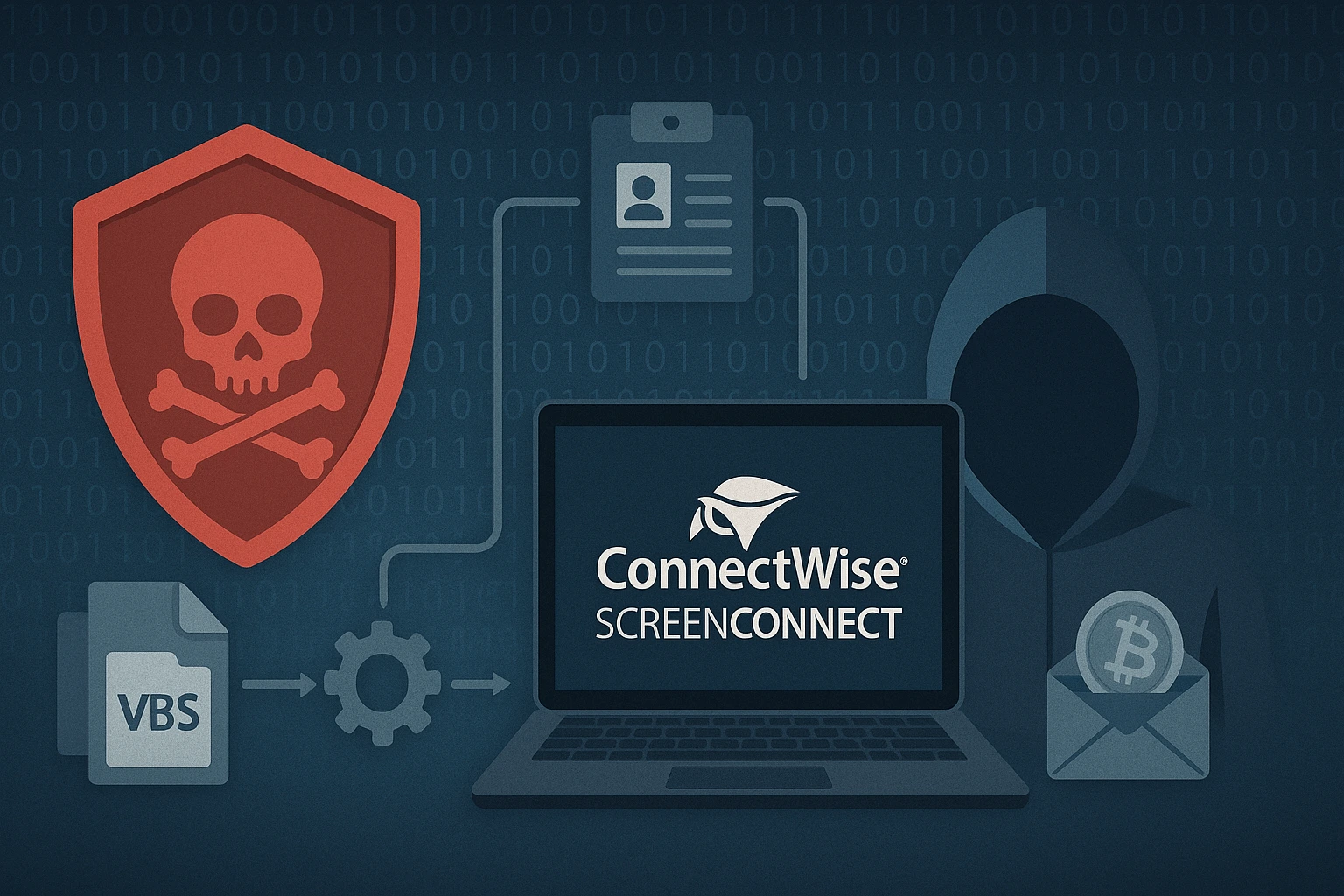
AsyncRAT exploits ConnectWise in a recent malware campaign that highlights how attackers weaponize legitimate remote access tools. Security researchers uncovered a layered attack chain that delivered the trojan through fileless techniques, persistence tricks, and data theft. The operation reveals the growing sophistication of remote access trojans and the increasing risks for businesses relying on widely used IT management software. How
Salty2FA Phishing Kit Targets Enterprises With MFA Bypass
The Salty2FA phishing kit has quickly gained attention as one of the most dangerous phishing tools of 2025. Unlike older phishing kits that only capture usernames and passwords, this service also bypasses multiple forms of multi-factor authentication (MFA). That ability makes stolen credentials far more valuable and leaves enterprises exposed to full-scale account takeovers. What Makes Salty2FA Different? Salty2FA is

Bridgestone Cyberattack Disrupts North American Manufacturing
A cyberattack on Bridgestone (a giant in the tire manufacturing business) has shaken operations across North America, disrupting tire production at major facilities. While the company claims the incident was contained and limited, local officials and industry observers suggest the disruption may be far wider. The attack underscores the growing threat to industrial supply chains as hackers increasingly target manufacturing

Workiva Data Breach Exposes Contact Data After Salesforce Attack
The Workiva data breach adds to a growing list of companies caught in the ongoing wave of Salesforce-related attacks. The SaaS provider confirmed that attackers exploited a Salesforce-connected application, leading to the exposure of customer contact details. Although Workiva’s platform itself remains uncompromised, the incident raises concerns about the growing reliance on third-party integrations and the phishing risks that follow.

Grok AI Exploit Spreads Malicious Links on X
Cybercriminals have uncovered a dangerous loophole in Grok AI, the chatbot integrated into X. By embedding harmful links inside video ad metadata, attackers trick the system into revealing them. This Grok AI exploit spreads malicious links to millions of users and raises major concerns about the safety of AI-powered assistants. How the Exploit Works The attack begins with a promoted
TamperedChef Infostealer Hides in Fake PDF Editing App
The TamperedChef infostealer has emerged as a serious threat, hiding inside a fraudulent PDF editor promoted through Google Ads. This deceptive campaign tricked users into downloading an app that appeared legitimate, only to later activate malicious features. With delayed activation and credential theft, the campaign shows how cybercriminals continue to evolve their tactics. Malvertising and the Fake PDF Tool Attackers

Storm-0501 Ransomware Shifts to Cloud Attacks
Storm-0501 ransomware has entered a new phase. Security researchers report that the group has moved from on-premise intrusions to cloud-based attacks. By exploiting Azure environments, Storm-0501 has found ways to exfiltrate data, destroy backups, and pressure victims into ransom payments. This marks a major shift in how ransomware groups adapt to cloud reliance. How Storm-0501 Operates The ransomware group does

Hook Android Trojan Ransomware Attacks Spread via GitHub
The Hook Android Trojan ransomware attacks mark the latest stage in the malware’s evolution. Once known mainly as a banking trojan, Hook has now gained powerful ransomware-style features, giving cybercriminals new tools to exploit Android users. What Makes the New Hook Variant Dangerous The latest version, often called Hook v3, shows how mobile malware continues to expand its reach: Ransomware-style

Silk Typhoon Hackers Use Fake Portals in Espionage Campaigns
Silk Typhoon hackers hijack captive portals in diplomat attacks, exposing how far advanced persistent threats will go to steal intelligence. The group, also tracked as Mustang Panda, UNC6384, and TEMP.Hex, is a known Chinese state-sponsored operation. Their latest campaign reveals new tactics designed to bypass defenses and target high-value diplomatic missions. Hijacking Captive Portals Captive portals usually appear when users