Conti, Trickbot Ransomware Leader Exposed by German Police
In a landmark development in the global fight against cybercrime, Germany’s Federal Criminal Police Office (Bundeskriminalamt, or BKA) has publicly identified the elusive leader of the notorious Trickbot and Conti ransomware groups. The man behind the alias "Stern" has been unmasked as 36-year-old Russian national Vitaly Nikolaevich Kovalev. This marks a critical breakthrough in international law enforcement efforts against organized

Crocodilus Malware Adds Fake Contacts to Your Android Phone
The newly discovered Crocodilus malware raises serious concern among cybersecurity experts. Unlike typical trojans, this malware introduces a deceptive twist: it secretly adds fake contacts to your phone to impersonate trusted names like banks, family members, or service providers. This manipulation makes phishing attempts feel far more convincing, and far more dangerous. Here's what you need to know about how

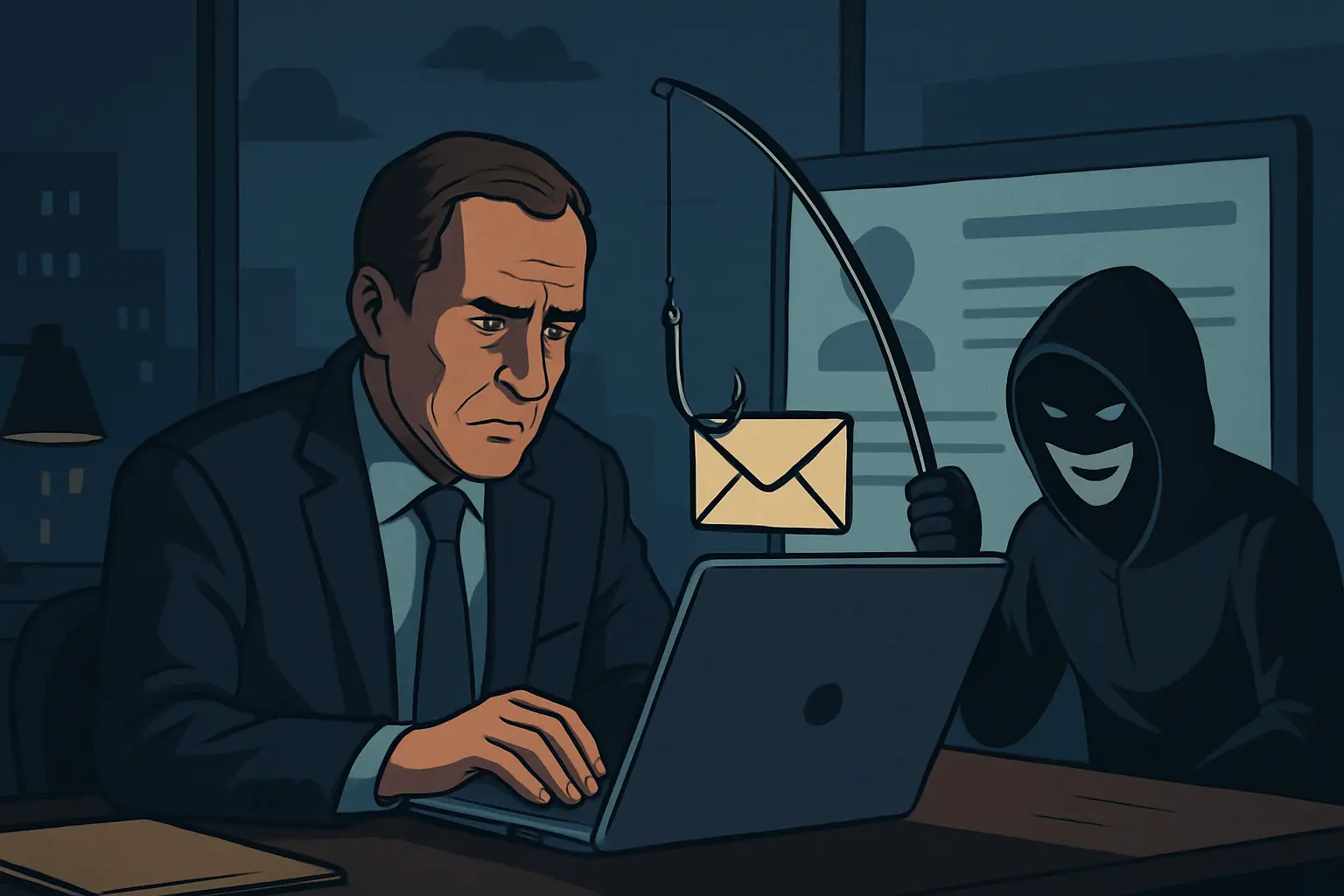
Spear Phishing Campaign Targets CFOs and Abuses Legit Tools
A sophisticated spear phishing campaign that specifically targets CFOs (Chief Financial Officers) was recently uncovered by cybersecurity firm Trellix. This ongoing operation, first detected in mid-May 2025, has already affected organizations spanning Europe, Africa, Canada, the Middle East, and South Asia. The campaign’s method? A clever blend of social engineering and abuse of legitimate remote access software. Anatomy of the
Gemini Email Summaries Are Here Whether You Want Them or Not
Google’s Gemini AI forces a new features onto its users – Gemini Email Summaries. In a recent update announced in late May 2025, Gemini has begun automatically summarizing long email threads in Gmail, aiming to save users time and reduce email fatigue. The summaries appear as brief cards at the top of lengthy conversations and they’ll continue to update as

9 VPN Tips to Get the Most Out of Your VPN Provider
A Virtual Private Network (VPN) is a powerful tool for maintaining online privacy, accessing geo-blocked content, and securing your internet connection. But many users don’t realize they’re only scratching the surface of what their VPN can do. We've compiled a short list of VPN tips to help you get the best out of your provider and unlock its full potential.

Victoria’s Secret Cyberattack Shuts Down the Company Website
At the end of May 2025, Victoria’s Secret experienced a major cyberattack that forced the company to take its U.S. website offline. The sudden shutdown disrupted online shopping for millions of customers and caused ripple effects across its retail operations. Although the company has not shared specific details about the nature of the attack, the disruption suggests it may have

Will AI Replace Programmers? Let’s Leave the Hype Aside
As artificial intelligence continues to evolve, many wonder if it’s coming for their job. And one profession often brought into the spotlight is programming. With tools that can now spit out code in seconds, the question is louder than ever: Will AI replace programmers? Let’s break this down without the hype. How AI Is Changing the Way We Code AI-powered

Dark Partners Cybercrime Gang Fuels AI and Crypto Heists
A new player has entered the cybercrime arena — and they’re not after just your passwords. The Dark Partners cybercrime gang is behind a sophisticated malware campaign that’s targeting users of AI tools, VPN services, and cryptocurrency platforms. By cloning popular websites like Windscribe, Ledger, and Sora, the gang lures victims into downloading malware disguised as legitimate software. The goal:

DragonForce Ransomware Hits MSPs via SimpleHelp
In a chilling reminder of the risks posed by insecure remote access tools, the ransomware group DragonForce has launched a sophisticated supply chain attack by exploiting critical vulnerabilities in SimpleHelp, a remote monitoring and management (RMM) platform widely used by Managed Service Providers (MSPs). The campaign, first uncovered by researchers at Group-IB, reveals how three recently discovered vulnerabilities in SimpleHelp

PumaBot Botnet Compromises Linux IoT Devices
A newly discovered botnet called PumaBot is making rounds in the cybersecurity world. Designed to infiltrate Linux-based systems, this malware takes a focused and stealthy approach, specifically targeting Internet of Things (IoT) devices and surveillance systems through brute-force SSH attacks. Here’s a closer look at how PumaBot operates, what sets it apart from other botnets, and how you can protect
