Australia’s second-largest retailer began the week fielding questions it could not fully answer. Coles Group Limited said on Monday that it is looking into a cyber security incident, the kind of careful wording a company reaches for before it knows the full shape of a cyberattack. The retailer told shoppers to carry on as normal. It has given no start date, no entry point, and no name for the attackers.
What “no evidence” really means right now
So far Coles has found no sign that anyone took data belonging to customers, staff or suppliers in the cyberattack. That tells us little yet. Digital forensics takes weeks, and the first days of any probe rarely show the whole picture. Teams start with the machines they know the attacker touched, then work outward through logs and backups.
A company in this spot faces a choice with no clean answer. Say nothing, and rumour fills the gap. Go into detail too early, and a correction may follow within days. Coles took the middle road, naming the cyberattack probe and the agencies helping, then stopping short of guesses about scope.
What kept working, and the one thing that broke
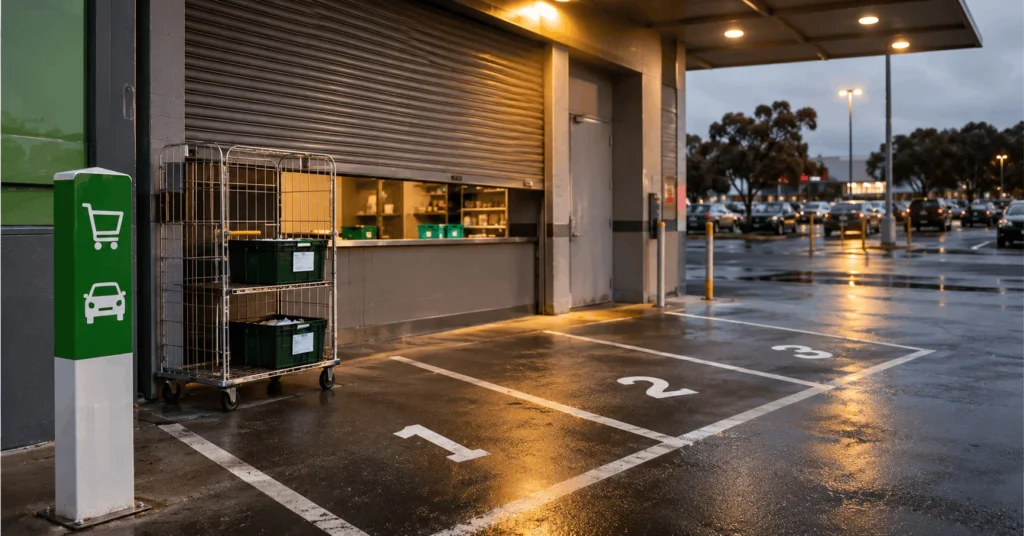
Almost everything shoppers actually touch has stayed up and running since the news broke. Flybuys accounts, Coles Plus, Coles Plus Delivery and QuiteLike all kept working, along with stores and online orders. One fault did surface at Liquorland, where click-and-collect failed for a small group of customers who had already paid. Coles flagged that glitch, but it has not tied the problem to the cyberattack.
That one broken service deserves more notice than it has drawn so far. Click-and-collect leans on a chain of systems that talk to each other, covering stock, payments, order handling and pickup at the store itself, so one weak link stalls the lot. Often the cause is a deliberate shutdown. Cutting a system off is textbook lockdown, and it tends to be the first thing shoppers notice.
What Coles has at stake while the cyberattack is contained
The sheer size of this business explains why a cyberattack at Coles draws national notice rather than a quiet footnote in the tech press. Coles runs more than 1,800 stores and employs over 115,000 people. Flybuys counts over nine million active members. Names, phone numbers, emails, spending history and home addresses all sit inside a system that large.
Staff and supplier records carry a different kind of risk, and they often get less protection. Payroll files hold tax numbers and bank details. Supplier systems hold contracts, invoices and the email chains that make invoice fraud work, which is why thieves go there first. Coles reports no sign of theft like that in the cyberattack so far.
The questions Coles has not answered
No gang has claimed the attack, and no researcher has named a known group. Coles has stayed quiet on the subject of a ransom demand, and it has released nothing at all about how the cyberattack began or which part of its network the intruders reached first. Silence like that is normal during lockdown, because technical detail can tell thieves what defenders already know. It also leaves outsiders no real way to judge how bad this is.
A statement worded as carefully as this one tends to sit between two very different outcomes, and only time separates them. The first is a break-in caught fast and shut down before anything moved. Worse, the attacker may have spent weeks inside the network, with proof surfacing later and forcing an uglier update. Big retailers have landed on both sides of that line, so patience beats guesswork.
The scam wave that follows a public statement
Criminals pay close attention to news like this, and they move within hours. Word that Coles is handling a cyberattack hands scammers a ready-made script, lifted from the official wording. Fake texts offer refunds, warn of locked accounts, or ask shoppers to confirm loyalty details through a link that leads somewhere nasty, and the better ones look convincing. None of it needs the attacker to have stolen a single record.
Coles pointed shoppers toward the basics: watch for odd links, ignore cold requests for personal details, and use unique passwords. That advice holds no matter what the probe finds. Unique passwords cap the damage when one service falls, and a password manager makes the habit stick. Two-factor login on the email tied to a loyalty account adds another wall.
Practical steps while the probe continues
Account hygiene covers most of the real risk here, but network habits matter too. Treat any message that mentions Coles and this cyberattack as fake until you check it inside the official app. Public Wi-Fi in malls and transport hubs sits outside your control, so a login over an open network adds needless risk. A VPN encrypts that traffic and leaves anyone watching the network with nothing to collect.
Final Thoughts
Nobody outside the company knows yet how serious this will turn out to be. Coles has a lockdown underway with the Australian Cyber Security Centre and outside experts, reports no confirmed data loss, and keeps its stores trading as normal. The cyberattack Coles is working through may well prove to be a contained break-in with no lasting fallout. Early handling looks reasonably mature.
For shoppers, the sensible response does not hinge on the final verdict. Check recent Flybuys and Coles Plus activity for charges you do not recognise. Strong, unique passwords and a wary eye on any message that name-drops Coles and this cyberattack cover the real risks. Australian retail has absorbed several big hits in recent years, so the pattern that follows is familiar.
