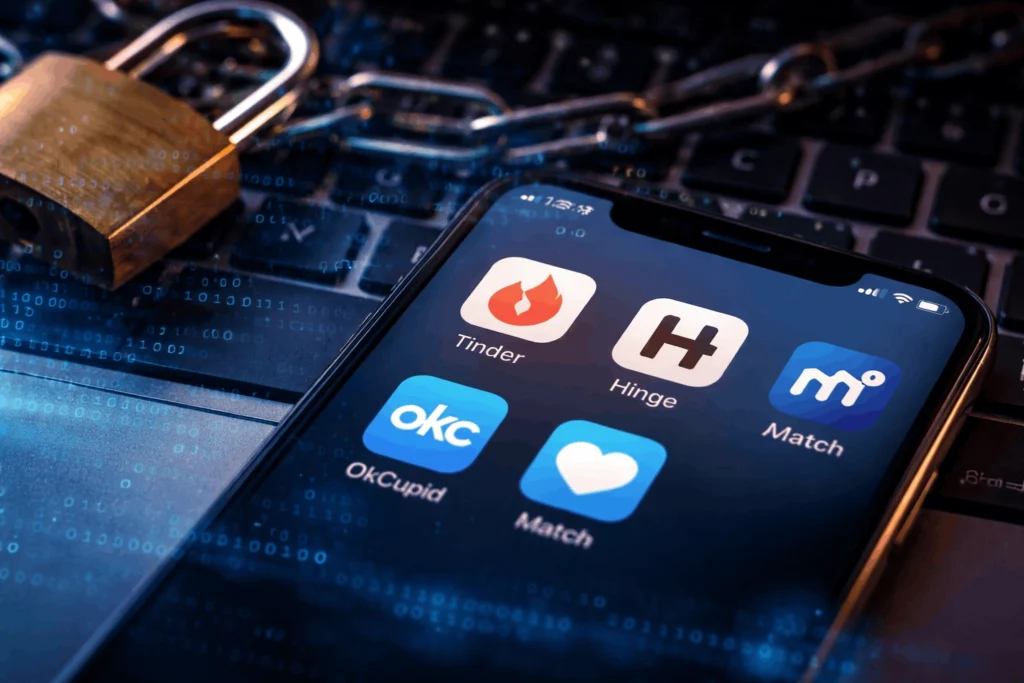
Concerns around online privacy resurfaced after news of the Match Group data breach revealed that user information from several major dating platforms had been exposed. The incident affected services used by millions worldwide and raised questions about how attackers gained access and what data may have been taken. Match Group has since confirmed the breach and launched an internal investigation to determine its scope and impact.
What Happened in the Match Group Data Breach
The Match Group data breach came to light after a cybercriminal group claimed responsibility for leaking internal data tied to multiple dating services operated by Match Group. The company oversees a large portfolio of popular platforms, including Tinder, Hinge, OkCupid, and Match.com.
According to public disclosures, the attackers published samples of the stolen data to support their claims. Match Group later acknowledged the security incident and confirmed that unauthorized access had occurred. While the company described the exposed dataset as limited, the breach still triggered concern due to the sensitive nature of dating app usage.
Which Platforms Were Affected
The data breach did not target a single service. Instead, it appears to have involved shared infrastructure used across several platforms. This structure meant that data connected to multiple dating apps could be accessed during the same intrusion.
Affected services reportedly included Tinder, Hinge, OkCupid, and Match.com. Match Group stated that not every user on these platforms was impacted. However, the company has not released exact figures, citing an ongoing investigation and the need to verify the leaked material.
What Type of Data Was Exposed
Match Group has emphasized that the exposed information did not include the most critical account details. Based on available disclosures, the compromised data may have included:
- User account identifiers
- Email addresses
- Profile-related metadata
- Internal platform records
The company stated that it found no evidence suggesting passwords, payment details, or private messages were accessed. Even so, exposed email addresses and profile data can still pose risks, especially when used in targeted phishing campaigns or social engineering attacks.
This aspect makes the Match Group data breach relevant even for users who believe their most sensitive information remains secure.
How the Attack May Have Occurred
Security analysts believe the breach may have started with a social engineering attack rather than a traditional software exploit. Reports suggest attackers targeted employee authentication systems using voice phishing techniques. These methods aim to trick staff into granting access or approving login requests.
Once attackers gained access to internal systems, they were allegedly able to move laterally and extract data stored in cloud environments. This approach aligns with tactics previously used by the group claiming responsibility, which has a history of exploiting identity systems and human error rather than relying only on technical vulnerabilities.
The incident highlights how authentication systems can become single points of failure when not adequately protected against social manipulation.
Match Group’s Response to the Incident
After confirming the breach, the company engaged external cybersecurity specialists to assist with the investigation. Match Group also began notifying potentially affected users and regulators where required.
In public statements, the company stressed that it acted quickly to contain the incident. It also reinforced that it continues to strengthen internal security controls and employee training programs to reduce the risk of similar attacks in the future.
Transparency remains limited while the investigation continues, but Match Group has said it will provide further updates if new findings emerge.
What Users Should Do Now
Even though Match Group maintains that sensitive credentials were not exposed, users should still take precautionary steps. Breaches involving contact details often lead to follow-up attacks that occur weeks or months later.
Recommended actions include:
- Updating passwords, especially if reused elsewhere
- Enabling multi-factor authentication where available
- Staying alert for suspicious emails or messages
- Avoiding links or attachments related to dating account alerts
These steps can reduce the risk of secondary attacks tied to the Match Group data breach.
Final Thoughts
The Match Group data breach serves as another reminder that large, well-resourced companies remain attractive targets for cybercriminals. Even when core credentials stay protected, exposed profile and contact data can still create long-term privacy risks for users.
As dating platforms continue to grow and centralize infrastructure, the consequences of a single security lapse can extend across multiple services at once. For users, staying cautious and proactive remains essential. For companies, the incident underscores the importance of securing authentication systems and preparing for attacks that rely as much on deception as on technology.
